Large Volume Filling

Flow Meter Filling Machine For Edible Oil, Lubricant Oil And Chemical Liquid

Accurate flow meter filling solution for large-volume low-viscosity liquids and automatic production line integration.

Machine Overview

What Is Flow Meter Filling Machine Used For?

Large Volume Filling

Metered filling for large-volume liquid products

Flow meter filling machine uses metering control to calculate liquid flow and filling volume. It is suitable for larger bottles and products that require stable volume control in continuous production.

Flow Meter ControlLarge VolumeLow ViscosityEasy Adjustment
Large-volume Package Compatibility

Oil, Chemical And Large Bottle Examples

Flow meter filling is suited to stable low-viscosity products and larger filling volumes in bottles and jerrycans.

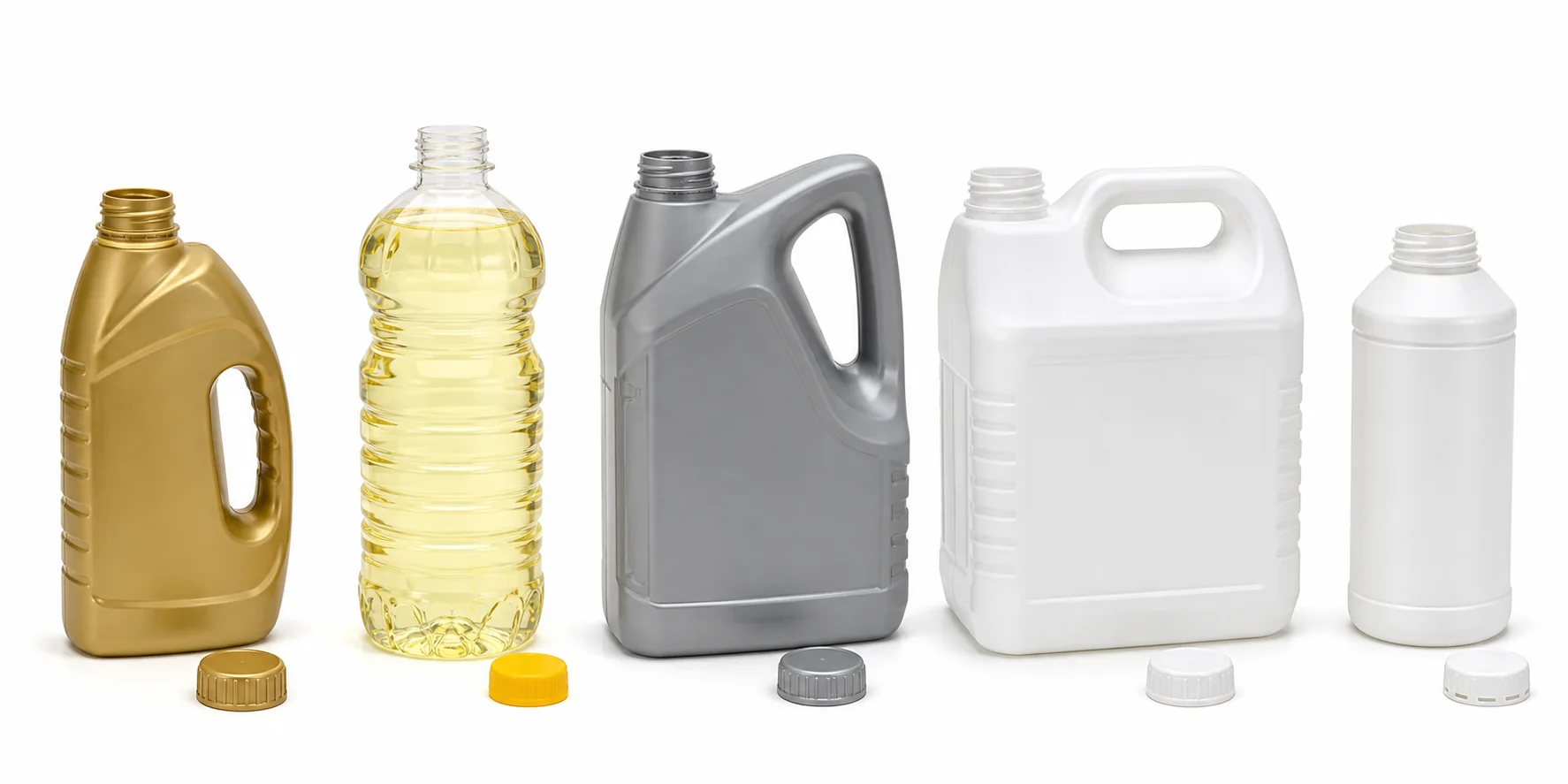
Edible oil, lubricant oil, cleaning chemical, disinfectant and large jerrycan packages with separate screw caps for flow meter filling
Actual liquid properties and the selected meter type, filling volume, foam level, bottle opening and target speed must be confirmed before line design.
One-liter Oil BottleHandle bottle and screw cap
Edible Oil BottleTamper-evident closure
Lubricant Oil JugStable handled container
Chemical JerrycanLarge-volume screw closure
Disinfectant BottleCylindrical bottle and cap
Liquid Compatibility

Suitable And Not Recommended Liquids

Suitable Liquids

  • Edible oil
  • Lubricant oil
  • Daily chemical liquid
  • Cleaning liquid
  • Low-viscosity chemical liquid
  • Disinfectant
  • Water-like liquid

Not Recommended For

  • Very thick paste
  • Liquids with unstable bubbles
  • Small-volume ultra-precision dosing
  • Liquids with large particles
  • Strong corrosive liquid without compatible meter material
Machine Configurations

Flow Meter Filling Machine Configurations

The verified 8-head configuration is listed first. Its standard filling range is 50–5000 mL, with project-specific customization from 50–25000 mL. The 30–80 bottles/min reference is based on room-temperature water at 1000 mL in 50–80 mm round bottles. The 10-head example keeps its separate published range of 20–2500 mL and 35–60 bottles/min reference. Final range, output and accuracy are confirmed for the actual liquid, container and line conditions.

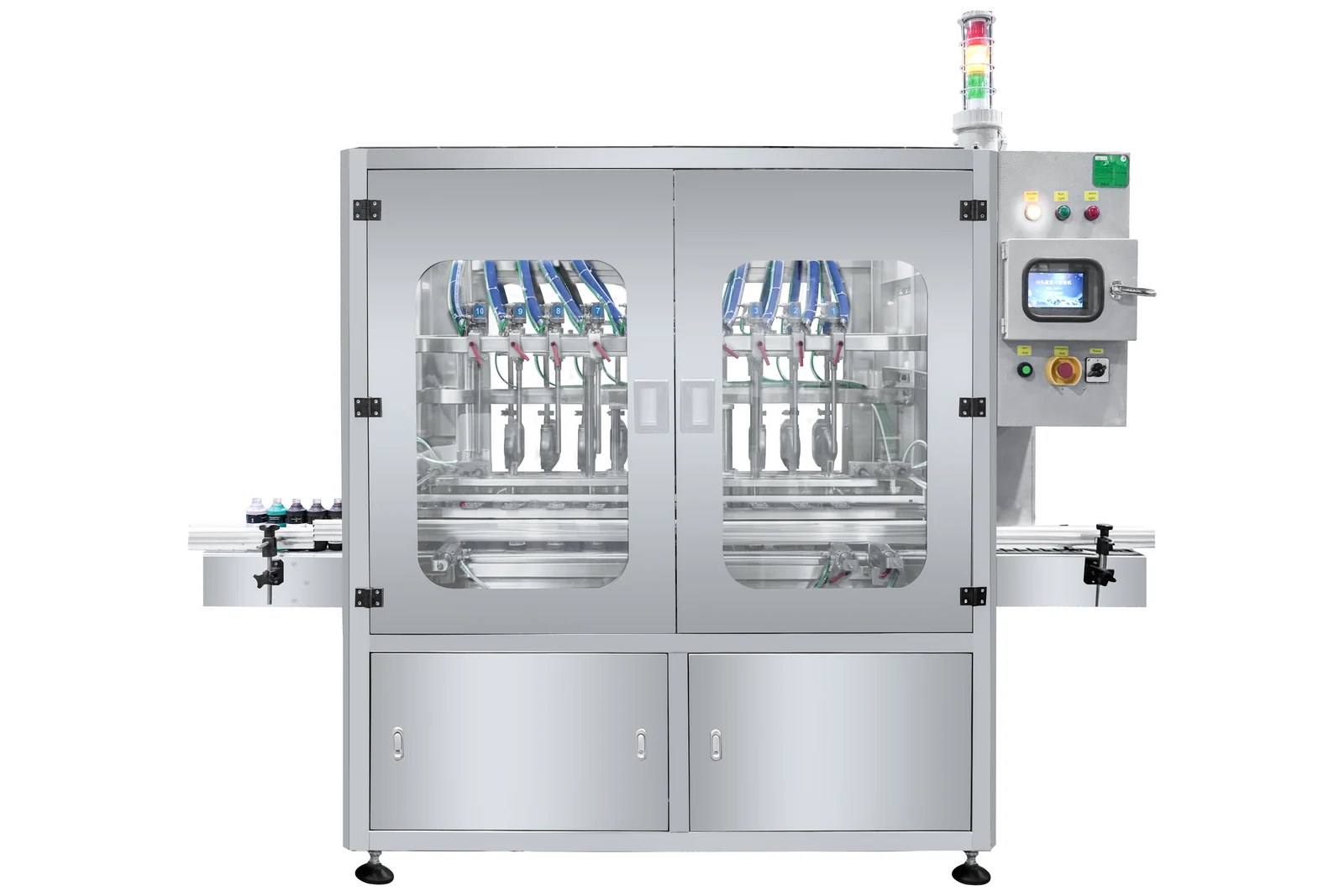
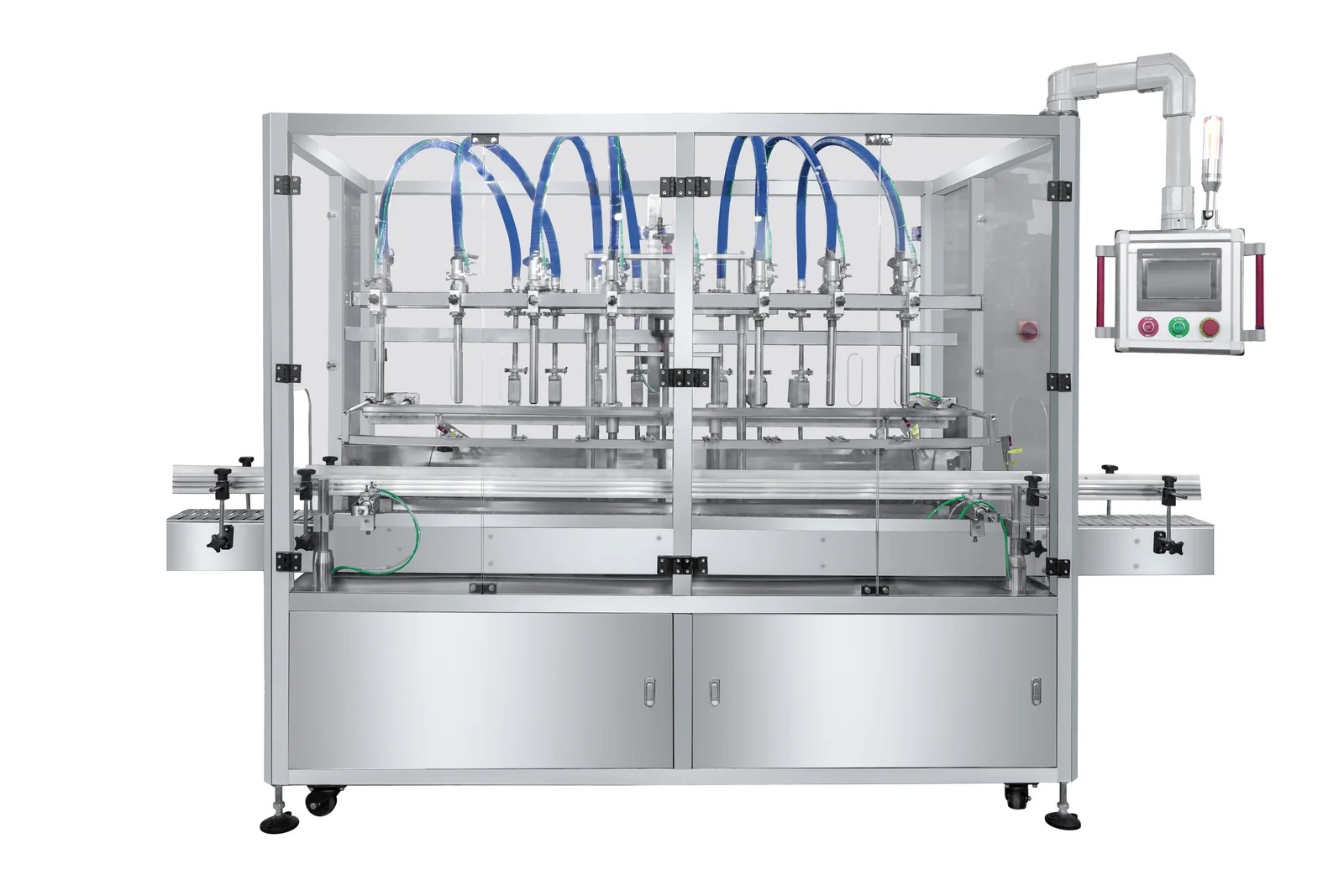
8-head flow meter filling machine with safety enclosure and inline conveyor

8-Head Flow Meter Filling Machine

Verified Configuration
Standard Filling Range50–5000 mL
Filling Heads8 Heads
Reference Speed30–80 Bottles/Min*
Reference Accuracy±1%*

Filling Features

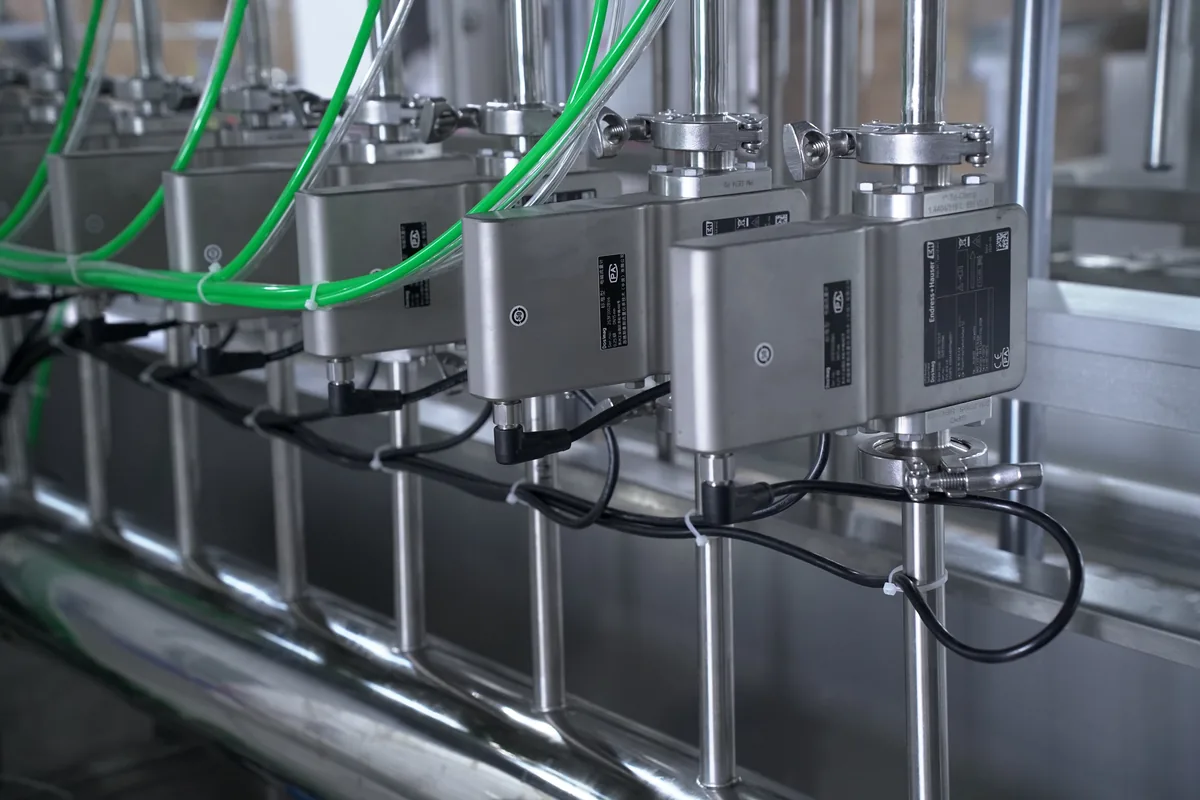
MethodIndependent flow-meter dosing
Head ControlEach head can be calibrated, adjusted and enabled independently
Filling MotionDiving filling with automatic lifting nozzles
Anti-dripYes
No Bottle, No FillYes
Speed BasisRoom-temperature water, 1000 mL, 50–80 mm round bottle
Accuracy BasisRoom-temperature water at 1000 mL

Bottle & Application

Suitable ProductsEdible oil, lubricant oil, detergent, disinfectant, antifreeze, syrup and other flowable liquids
Not RecommendedLiquids with large solid particles, strong corrosion or abrasion, or crystallization that may block the system
Viscosity Reference1–10000 cP
Bottle FormatsRound, flat, square and suitable special-shaped bottles
Bottle MaterialsPET, PE and glass
Bottle SizeH80–350 mm; W/Ø40–120 mm
Bottle OpeningMinimum 12 mm

Machine Specification

Product Contact Parts316 stainless steel
Tank150 L with level detection
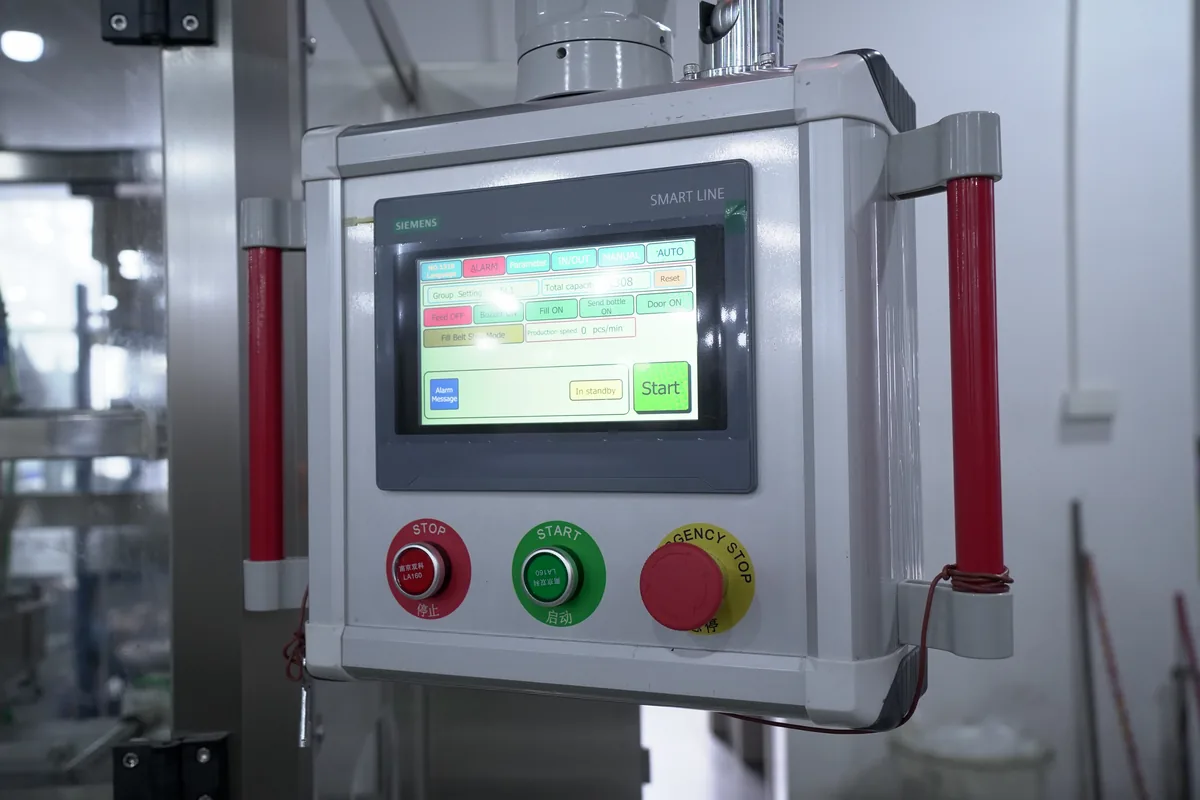
ControlPLC + touchscreen with recipe storage, counting and fault alarms
Power Supply380 V / 50 Hz / 3 phase
Power8 kW
Compressed Air0.6–0.8 MPa; 60–100 L/min; Ø8 mm connection
Machine Size1700 × 1450 × 2100 mm
WeightApprox. 750 kg
Customization2–12 heads; 50–25000 mL; optional mixing or heating
Line IntegrationConnects with bottle unscrambling, capping, labeling and conveyor equipment
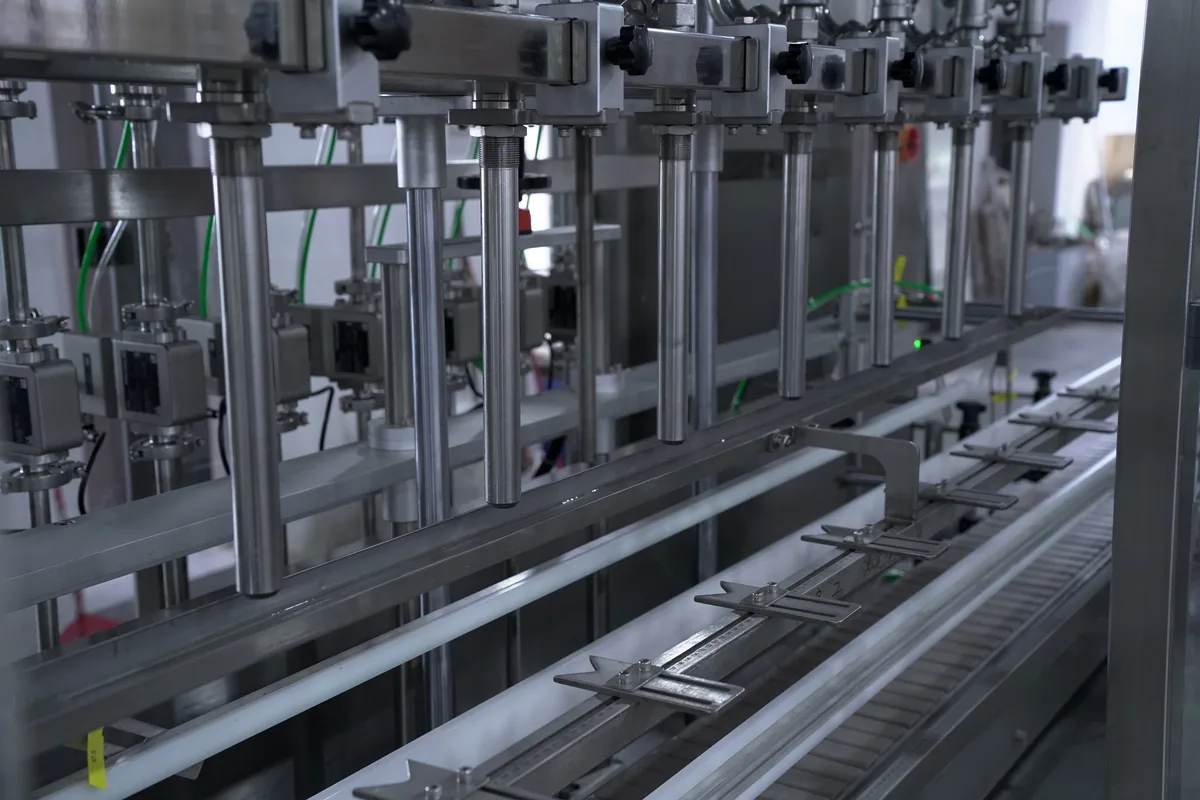
10-head flow meter filling machine product view

10-Head Flow Meter Filling Machine

Reference Configuration
Filling Range20–2500 mL
Filling Heads10 Heads
Speed35–60 Bottles/Min
Accuracy±0.5%

Filling Features

MethodFlow meter filling
Flow Meter TypeGear positive-displacement flow meter
Head Configuration10 heads; 2–16 heads customizable
CustomizationAvailable

Product & Output

Suitable ProductsDetergent, disinfectant, edible oil, lubricant, alcohol and flowable cleaners
Filling Range20–2500 mL
Rated Output35–60 Bottles/Min, subject to product and volume
Accuracy±0.5%

Machine Specification

Contact Parts316 stainless steel contact parts and nozzles
Viscosity1–8000 cP
Filling MotionDiving filling with anti-drip nozzles
Voltage380 V / 50 Hz / 3 phase
PowerApprox. 9 kW
Size2000 × 1500 × 2100 mm
WeightApprox. 520 kg
Customization2–16 heads; 5–5000 mL
Configuration Logic

What Should Be Confirmed Before Selection?

Same Core Structure

  • Flow meter volume control
  • PLC + HMI operation
  • Automatic bottle positioning
  • Filling volume adjustment
  • Line connection capability

Need To Confirm

  • Liquid conductivity and flow behavior
  • Bottle volume and filling range
  • Required metering accuracy
  • Contact material compatibility
  • Line speed and conveyor length
Bottle And Line Matching

Recommended Bottle Types And Line Connection

Recommended Bottle Types

  • Large round bottles
  • Lubricant bottles
  • Edible oil bottles
  • Chemical liquid bottles
  • Daily chemical containers
  • Stable plastic bottles

Recommended Cap Machines

Cap TypeRecommended Machine
Screw capLinear capping machine / tracking capping machine
Pump capAutomatic four-wheel capping machine for tightening; separate pump-head feeding and placement equipment when required
Trigger sprayerTrigger sprayer capping machine
Press capPress capping machine
Large round capFour-wheel servo capping machine
Working Process

How The Flow Meter Filling Machine Works

Step 01Bottle feeding
Step 02Bottle positioning
Step 03Flow meter measuring
Step 04Valve filling
Step 05Volume control
Step 06Bottle output
Step 07Capping connection
Step 08Labeling connection

The filling machine can work as a standalone filling unit, or connect with capping, labeling, coding and collecting systems to build a complete automatic production line.

Filling Method Value

Why Choose Flow Meter Filling?

Main Advantages

  • Suitable for large-volume filling
  • Good for low-viscosity liquids
  • Easy filling volume adjustment
  • Stable metering control

Production Benefits

  • Efficient for oil and chemical liquid production
  • Can reduce mechanical cylinder changeover
  • Suitable for automatic lines
  • Easy to match with larger bottle production
Method Comparison

Comparison With Other Filling Methods

Filling MethodBest ForSelection Note
Servo Piston FillingViscous liquid, detergent, shampoo, lotionBest for stable accuracy and medium/high viscosity liquids
Gear Pump FillingLow to medium-viscosity liquid, oil, essenceBetter for precision pump dosing
Peristaltic Pump FillingClean liquid, reagent, essential oilCleaner liquid path and easy tube replacement
Flow Meter FillingLarge-volume low-viscosity liquidBetter for volume metering and larger containers
Rotor Pump FillingViscous and flowing productsBetter for stable transfer of thicker liquids
Anti-corrosion FillingCorrosive chemical or agrochemical liquidBetter material resistance
Real Machine Video

10-Head Flow Meter Filling Machine Running Test

Real machine footage showing the supplied 10-head flow meter filling configuration in operation.

After the initial engineering review

What You Receive Before Final Configuration

Start with photos, dimensions, product behavior, filling volume and target output for your Flow Meter Filling Machine For Edible Oil, Lubricant Oil And Chemical Liquid. Physical containers, closures, labels or product are requested later only when tooling or factory testing requires them.

  1. Recommended configurationMachine type, head or station quantity and required options.
  2. Preliminary layoutMachine sequence, interfaces, footprint and utility assumptions.
  3. Written quotationConfirmed scope, available options, exclusions and commercial terms.
  4. Test requirement listWhich physical items must be sent later for tooling and FAT, only when required.
Engineering Definitions

How To Read The Published Flow Meter Filling Machine For Edible Oil, Lubricant Oil And Chemical Liquid Parameters

The website helps shortlist a machine. Final values are released only after the product, container, closure or label, required output and factory conditions are reviewed.

Filling range

Published minimum and maximum volumes are selection references. The actual working range is confirmed with the product and container.

Filling heads

Head quantity describes the installed dosing positions; it does not define output by itself.

Speed basis

A sustained bottles-per-minute target must state filling volume, product behavior, bottle format and line conditions.

Accuracy basis

The measuring method, sample count, tolerance and operating conditions are written into the agreed FAT plan.

Final handover package

After configuration confirmation, the handover package supports installation, operation, maintenance and acceptance without publishing unconfirmed project values.

  • Approved general arrangement or layout
  • English operation manual
  • Electrical diagram
  • Pneumatic diagram where applicable
  • PLC program backup
  • Agreed FAT criteria and record
  • Operation training
  • Recommended spare-parts list
1 yearWarranty
Within 2 hoursOnline response
Remote + onsiteCommissioning options
Project-specificSpare-parts list confirmed before shipment
FAQ

Common Questions Before Buying

What products are best for flow meter filling?

It is commonly used for edible oil, lubricant oil, chemical liquid and other low-viscosity large-volume products.

Is it suitable for shampoo or lotion?

For shampoo, lotion and high-viscosity liquid, servo piston or rotor pump filling is usually more suitable.

Can it fill different bottle volumes?

Yes. Filling volume can be adjusted, but bottle size and line stability should be confirmed.

Can it connect with a complete line?

Yes. It can connect with capping, labeling and collecting systems.

Do you need liquid samples?

Liquid samples help confirm flow behavior and contact material compatibility.