

Personal Care Filling, Capping And Labeling Lines
Customized packaging machines for shampoo, shower gel, conditioner, body lotion, facial cleanser, creams and gels in bottles, jars and other containers.
Representative Personal Care Containers
Shampoo, shower gel, conditioner and body lotion: the focus here is hair and body care in wash-product bottles and dispensing packs. For serums and cream jars, see cosmetic packaging.
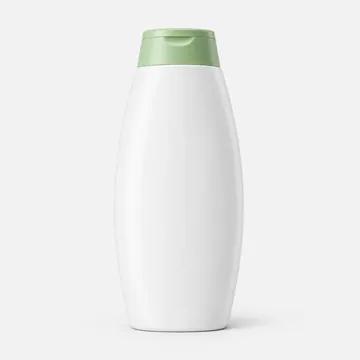

Packaging illustrations only, not customer production samples. Similar container shapes can serve different industries. Final materials, filling, closure handling and labeling are confirmed from the actual product, package and output target.
Confirm Samples Before Machine Selection
Shampoo, conditioner, lotion, cleanser, cream and gel products can use the same connected line architecture. The machine at each station is selected from the actual product, container, closure, label and output requirement.
Product, Package And Output
Confirm viscosity, foaming, filling volume, bottle or jar dimensions, closure, label format and sustained target speed.
- Filling Station
Filling Module
Selected for the product's flow behavior, filling volume and product-contact requirements.
- Closure Station
Feeding And Capping
Matched to the supplied screw cap, pump, trigger, flip-top or other closure.
- Labeling Station
Label Application
Configured for round, flat or special-shaped containers and the supplied label format.
- Optional Stations
Complete The Line
Add coding, inspection, collection or other stations when the project requires them.
Connected architecture: conveying, control handoff, guarding and line balance.
Project-specific changes: contact parts, filling method, closure system, labeling structure, change parts and layout.
Solve The Product And Package Problem Before Choosing The Machine
Shampoo, conditioner, lotion and gel do not automatically use the same filling setup. The recommendation follows measured product behavior and the supplied bottle, closure, label and output requirement.
- Foaming shampoo or body wash
- Confirm firstWhen foam appears, how quickly it settles, the bottle opening, filling temperature and the sustained production target.
- Equipment directionEvaluate nozzle depth, filling motion and speed profile before choosing the filling structure. Use the foam-control checklist as the starting point.
Configuration differenceFor shampoo that foams on impact inside the bottle, evaluate a diving nozzle and staged flow. If foam is already present in the supply hose, address product feeding or air entry first; changing the capping machine will not solve that upstream problem.
- Lotion, conditioner or gel fills unevenly
- Confirm firstViscosity across the expected product range, filling volume, product temperature, air pockets, dripping and cleaning requirements.
- Equipment directionA servo piston, gear pump or rotor pump may be considered only after the product is reviewed. Compare viscous-product selection factors and the available filling modules.
Configuration differenceA flowing shampoo or lotion can be evaluated for gear-pump dosing. Thicker conditioner may instead need a servo-piston or rotor-pump review with reliable product feed. If the product strings at cutoff, test the nozzle shutoff and lift sequence rather than selecting a pump from viscosity alone.
- Pump, flip-top or trigger closure is unstable
- Confirm firstClosure orientation, neck finish, cap dimensions, bottle stability and whether sorting, placing, pressing or tightening is required.
- Equipment directionThe closure sample determines the feeding and capping structure. Review pump-head handling, trigger-sprayer capping or the broader capping range.
Configuration differenceA screw-on flip-top needs tightening; a press-on flip-top needs pressing. A lotion pump also requires dip-tube insertion and head orientation. These closure sequences need different handling, even when the shampoo and lotion use bottles of similar size.
Send Your Personal Care Product & Container Details
Share the product, container photo, closure type, filling volume, label size and target output. We will recommend a suitable line configuration.
Move From Project Inputs To A Confirmed Machine
- 01Classify the product
Confirm viscosity, foaming, particles, temperature and material compatibility.
- 02Match the container
Review bottle or jar dimensions, neck finish, cap, pump, trigger and label format.
- 03Set the real output target
Define filling volume, bottles per minute, shift pattern and line connection needs.
- 04Approve test criteria
Agree factory test materials, settings, inspection points and handover documents.