

Pharmaceutical & Healthcare Filling, Capping & Labeling Lines
Customized packaging machines for alcohol, disinfectant, oral liquid, eye drops, medical gels, creams and other healthcare products.
Representative Healthcare Containers
These packaging illustrations are examples only, not customer production samples. Product-contact parts, filling method, closure handling, capping and labeling are configured from the actual product, container, closure and project requirements.
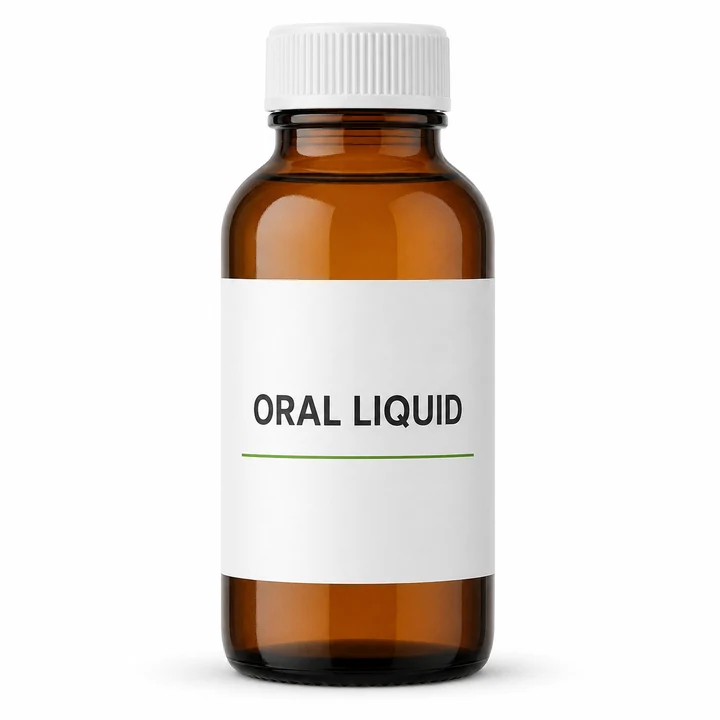
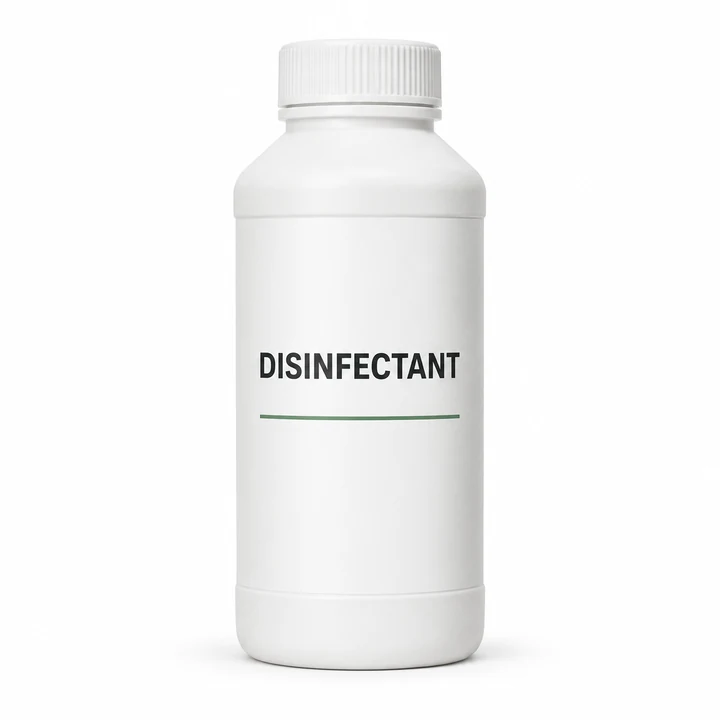
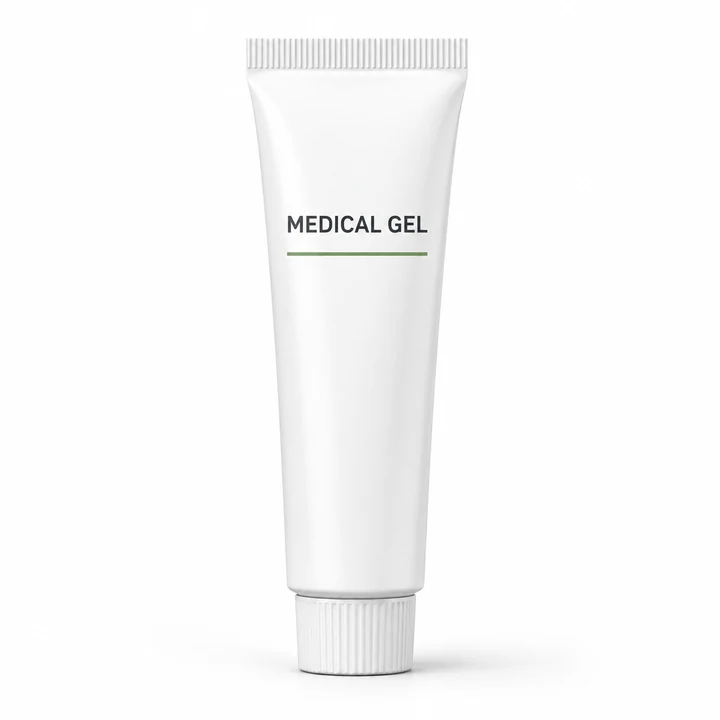
Confirm Samples Before Machine Selection
Oral liquid, healthcare liquid, gel, cream and small-container products can use one connected line architecture. The required stations and project documentation are confirmed from the actual product and package requirements.
Product, Package And Output
Confirm product behavior, filling volume, container dimensions, closure, label format, target speed and required project documentation.
- Filling Station
Filling Module
Selected for the actual liquid, gel or cream behavior, filling volume and contact requirements.
- Closure Station
Feeding And Capping
Matched to the supplied screw cap, dropper, pump, lid or custom closure.
- Labeling Station
Label Application
Configured for the actual container geometry, label format and placement requirement.
- Optional Stations
Complete The Line
Add coding, inspection, collection or other stations defined in the project scope.
Connected architecture: conveying, control handoff, guarding and line balance.
Project-specific changes: contact parts, filling method, closure system, labeling structure, documentation and layout.
Define The Process Boundary Before Selecting Equipment
This page describes packaging equipment selection, not a blanket regulatory or sterile-process claim. Product contact, cleaning, container handling, closure and documentation requirements must be confirmed for the specific project.
- Liquid, gel or cream requires a different filling path
- Confirm firstProduct behavior, filling volume, contact requirements, cleaning method, temperature and the buyer's acceptance method.
- Equipment directionSelect the filling principle only after those inputs are documented. Small-volume liquids, flowing products and viscous products may require different filling modules.
Configuration differenceDisinfectant, oral liquid and medical gel need separate evaluations: a free-flowing disinfectant needs compatible contact parts and splash/foam control; small oral-liquid doses need a matched dosing path; thick gel needs feed and nozzle-cutoff testing. If gel is packed in a tube, filling and end sealing require a separately confirmed station, not a bottle capper.
- Small containers tip, rotate or arrive out of position
- Confirm firstContainer dimensions, base area, weight, neck finish, infeed method and the complete closure sequence.
- Equipment directionReview guides, holders and star-wheel or conveyor handling before selecting standalone stations or a small-bottle monoblock.
Configuration differenceFor an oral-liquid bottle that tips during transfer, evaluate a bottle holder or indexed small-bottle arrangement. A stable larger disinfectant bottle may suit conveyor-linked stations. This changes container support and closure timing; it does not establish a sterile filling process.
- Closure, label or coding cannot be verified consistently
- Confirm firstActual closure, label artwork and material, placement requirement, coding scope and the inspection method required by the buyer.
- Equipment directionMatch the closure and label stations to supplied samples, then define any inspection or coding station in the project scope. Compare capping and labeling equipment.
Configuration differenceWhere controlled cleanliness is required, define cleaning access, product-contact materials and inspection records in the equipment scope. Products requiring sterility, including applicable eye-drop projects, need a separate qualified process and equipment review. The standard configurations and packaging illustrations here do not confirm aseptic capability or regulatory approval.
Send Your Healthcare Product & Container Details
Share product properties, container and closure details, filling volume and target output. We will recommend a suitable packaging line.
Move From Project Inputs To A Confirmed Machine
- 01Classify the product
Confirm viscosity, foaming, particles, temperature and material compatibility.
- 02Match the container
Review bottle or jar dimensions, neck finish, cap, pump, trigger and label format.
- 03Set the real output target
Define filling volume, bottles per minute, shift pattern and line connection needs.
- 04Approve test criteria
Agree factory test materials, settings, inspection points and handover documents.