

Cosmetic Filling, Capping & Labeling Lines
Customized packaging solutions for lotion, cream, cosmetic paste, toner, essence, serum and gel products in bottles, jars and other containers.
Representative Cosmetic Containers
Serums, essences, creams and masks: the focus here is small-dose dispensing and skincare jars. For shampoo, conditioner and body-wash bottles, see personal care packaging.
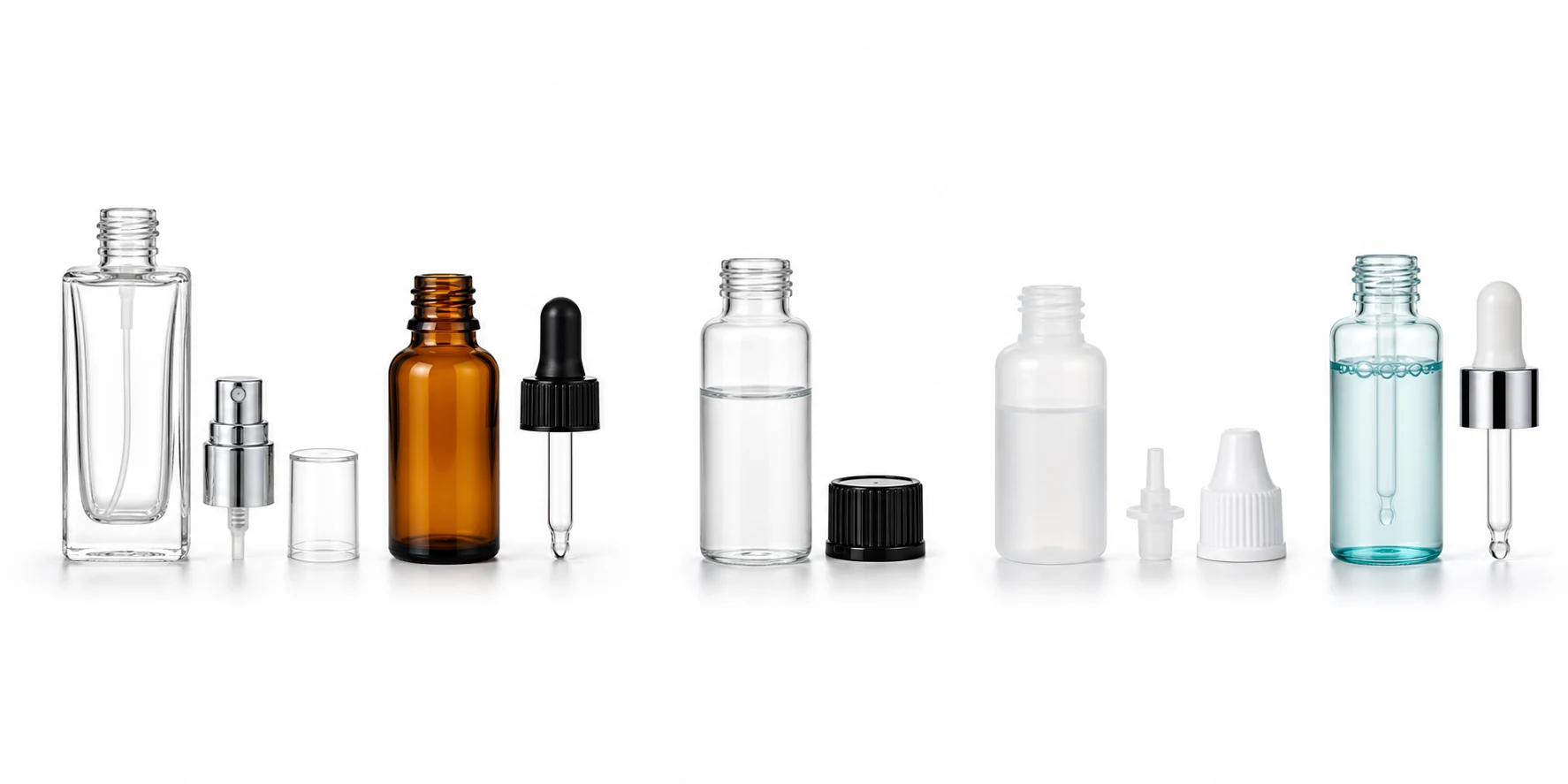
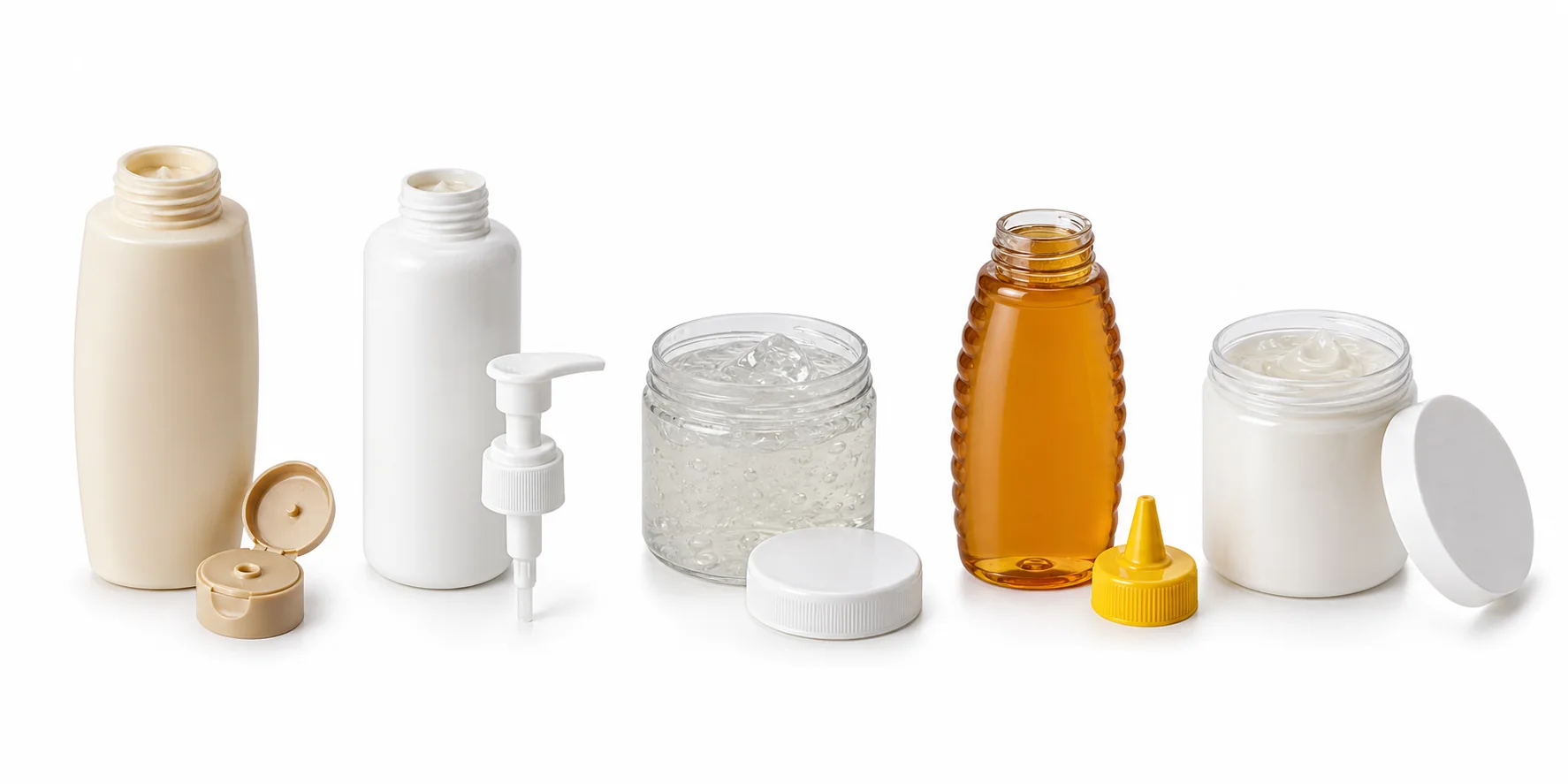
Packaging illustrations only, not customer production samples. Similar container shapes can serve different industries. Final materials, filling, closure handling and labeling are confirmed from the actual product, package and output target.
Confirm Samples Before Machine Selection
Serum, essence, lotion, cream, gel and cosmetic paste can share one connected production-line architecture. Each station is selected around the real formula, container, closure, label and target output.
Formula, Package And Output
Confirm flow behavior, filling volume, bottle, jar or tube dimensions, closure, label format and sustained target speed.
- Filling Station
Filling Module
Selected for serum, lotion, cream, gel or paste behavior and the required filling volume.
- Closure Station
Feeding And Capping
Matched to the supplied screw cap, pump, dropper, lid or custom closure.
- Labeling Station
Label Application
Configured for the actual bottle, jar or tube geometry and the supplied label.
- Optional Stations
Complete The Line
Add coding, inspection, collection or other stations when the project requires them.
Connected architecture: conveying, control handoff, guarding and line balance.
Project-specific changes: contact parts, filling method, closure system, labeling structure, change parts and layout.
Match The Filling And Handling Method To The Formula
Serum, lotion, cream, gel and paste require different handling even when the packages look similar. ZXSMART reviews product behavior, fill volume, container geometry and closure sequence before defining the line.
- Small-volume serum or essence needs stable dosing
- Confirm firstFill volume, product flow, acceptable test method, bottle opening, container stability and the number of product variants.
- Equipment directionSmall-volume pump-based filling can be evaluated where the product and accuracy test support it. Compare the peristaltic option with the integrated small-bottle line.
Configuration differenceFor a thin serum with frequent formula changes, a replaceable-tubing filling path is worth comparing with a reusable wetted pump path. Test the smallest dose after priming and again after a stop. A thicker essence must be checked separately for feed rate and dosing repeatability.
- Cream or gel traps air, drips or strings
- Confirm firstViscosity, product temperature, air entrainment, fill path, nozzle clearance, cleaning method and whether the container is a bottle, jar or tube.
- Equipment directionReview the pump and nozzle as one system, then confirm whether servo piston, gear pump or rotor pump filling is appropriate. See the cream and gel selection guide.
Configuration differenceFlowable lotion may suit a reviewed gear-pump configuration; thick cream may need servo-piston or rotor-pump evaluation with consistent feeding and a suitable cutoff nozzle. A wide-mouth jar allows a different nozzle arrangement from a narrow serum bottle. A successful serum trial does not establish cream-filling capability.
- Package appearance is damaged during handling
- Confirm firstContainer surface, wall rigidity, base stability, label material, placement tolerance and the complete closure sequence.
- Equipment directionUse package-specific guides, holders and change parts, then match the cap and label stations to the real samples. Compare capping and labeling equipment.
Configuration differenceDropper bottles need pipette and collar placement, pump bottles need dip-tube insertion, and cream jars may require an inner lid before the outer lid. A round-bottle wrap label, front/back labels and a jar-bottom label also need different application arrangements. Match the complete package sequence, not just the filling station.
Send Your Cosmetic Product & Container Details
Share product type, container photo, closure sample, filling volume, label size and target output for a suitable solution.
Move From Project Inputs To A Confirmed Machine
- 01Classify the product
Confirm viscosity, foaming, particles, temperature and material compatibility.
- 02Match the container
Review bottle or jar dimensions, neck finish, cap, pump, trigger and label format.
- 03Set the real output target
Define filling volume, bottles per minute, shift pattern and line connection needs.
- 04Approve test criteria
Agree factory test materials, settings, inspection points and handover documents.