
12-Head Gravity Filling Machine For Low-Viscosity Liquids
12-head gravity-flow filling solution for 50-5000 ml low-viscosity liquids, using a high-level constant-liquid-level tank and timed valve filling.
What Is This Machine Used For?

12-head gravity filling for low-viscosity liquids
Gravity filling uses the liquid's own weight to flow from a high-level tank. Constant liquid level stabilizes pressure, while timed valves meter the discharge without pressure transfer, helping protect foam-sensitive products.
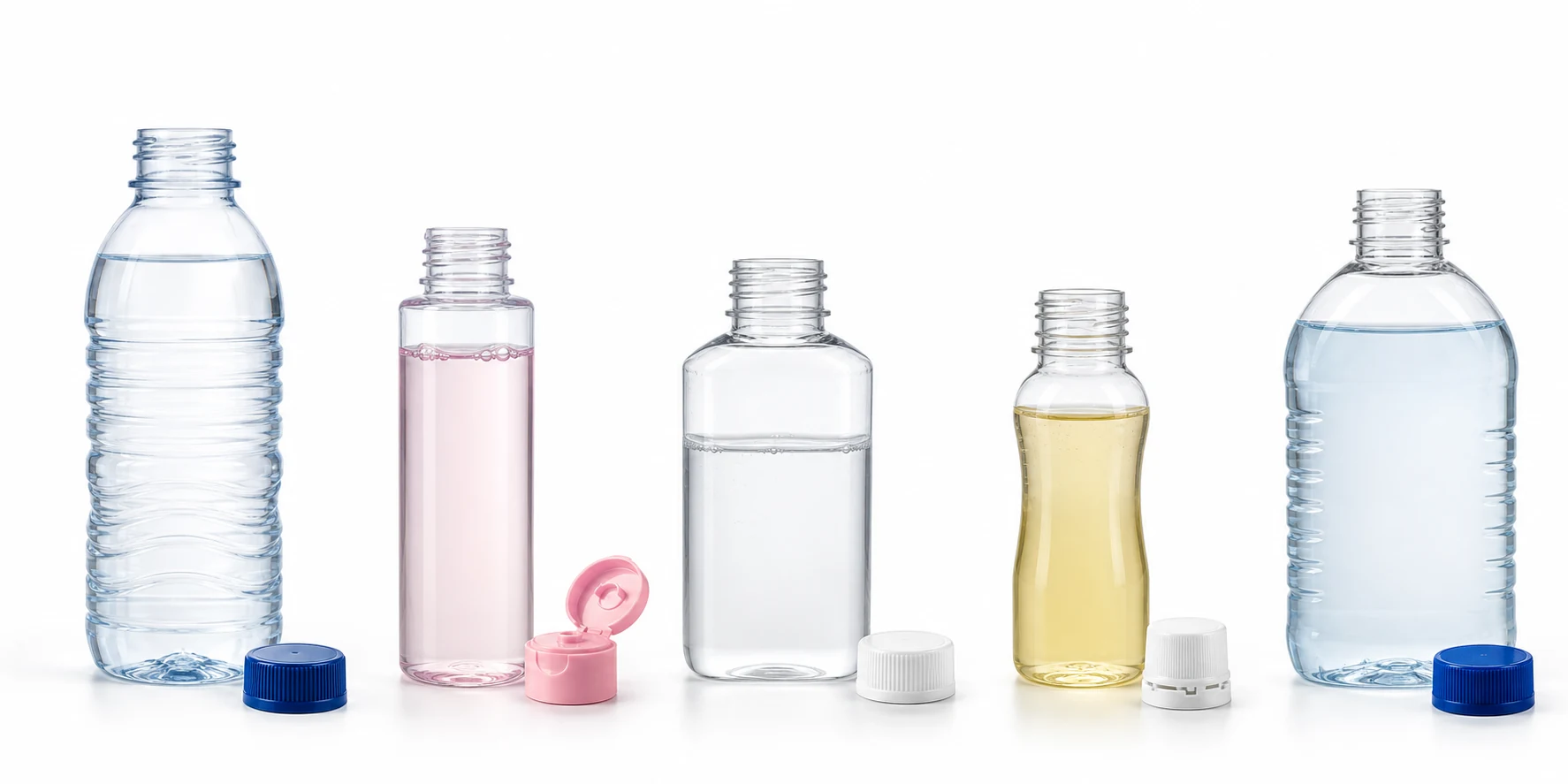
Low-viscosity Liquid, Bottle And Closure Examples
These examples show low-viscosity, low-foam liquids and common containers suited to gravity filling. The closures represent possible downstream packaging steps.

Suitable And Not Recommended Liquids
Suitable Liquids
- Low-viscosity, low-foam liquids (0-1000 cP)
- Water and mineral water
- Toner and cosmetic water
- Baijiu, alcohol and disinfectant
- Juice and seasoning liquids
- Water-like cleaners and other thin liquids
Not Recommended For
- Honey and syrup-like products
- Sauces and liquids with high solids
- Creams, lotions or pastes
- High-viscosity oils and grease
- Highly foaming liquids without a confirmed special design
12-Head Gravity Filling Machine Specifications

What Should Be Confirmed Before Selection?
Confirmed Core Structure
- Gravity-flow filling using product self-weight
- High-level tank with constant liquid level
- Timed valve discharge for metering
- No pressure transfer through the product path
- 316 stainless steel product-contact parts
Confirm With Samples / Engineer
- Tank capacity and final tank layout
- Liquid viscosity and foaming behavior
- Valve size for the required 50-5000 ml range
- Bottle diameter, height and stability
- Target output based on the actual bottle volume
Recommended Bottle Types And Line Connection
Recommended Bottle Types
- Round plastic or glass bottles
- Square plastic or glass bottles
- Irregular plastic or glass bottles
- Cleaner and disinfectant bottles
- Alcohol and baijiu bottles
- Juice, water and seasoning-liquid bottles
Recommended Cap Machines
| Cap Type | Recommended Machine |
|---|---|
| Screw cap | Linear capping machine / tracking capping machine |
| Pump cap | Pump head capping machine |
| Trigger sprayer | Trigger sprayer capping machine |
| Press cap | Press capping machine |
| Large round cap | Four-wheel servo capping machine |
How The Gravity Filling Machine Works
The filling machine can work as a standalone filling unit, or connect with capping, labeling, coding and collecting systems to build a complete automatic production line.
Why Choose Gravity Filling?
Main Advantages
- Uses product self-weight instead of pressure transfer
- Suitable for low-viscosity liquids from 0-1000 cP
- Gentle filling for foam-sensitive products
- Timed valves support repeatable filling
Production Benefits
- Supports 50-5000 ml filling with valve changes
- 12 heads deliver up to 3,000 bottles/hour at 500 ml
- Works with round, square and irregular bottles
- Can connect with capping, labeling and collecting systems
Comparison With Other Filling Methods
| Filling Method | Best For | Selection Note |
|---|---|---|
| Servo Piston Filling | Viscous liquid, detergent, shampoo, lotion | Best for stable accuracy and medium/high viscosity liquids |
| Gear Pump Filling | Low to medium-viscosity liquid, oil, essence | Better for precision pump dosing |
| Peristaltic Pump Filling | Clean liquid, reagent, essential oil | Cleaner liquid path and easy tube replacement |
| Flow Meter Filling | Large-volume low-viscosity liquid | Better for volume metering and larger containers |
| Rotor Pump Filling | Viscous and flowing products | Better for stable transfer of thicker liquids |
| Anti-corrosion Filling | Corrosive chemical or agrochemical liquid | Better material resistance |
What You Receive Before Final Configuration
Start with photos, dimensions, product behavior, filling volume and target output for your 12-Head Gravity Filling Machine For Low-Viscosity Liquids. Physical containers, closures, labels or product are requested later only when tooling or factory testing requires them.
- Recommended configurationMachine type, head or station quantity and required options.
- Preliminary layoutMachine sequence, interfaces, footprint and utility assumptions.
- Written quotationConfirmed scope, available options, exclusions and commercial terms.
- Test requirement listWhich physical items must be sent later for tooling and FAT, only when required.
How To Read The Published 12-Head Gravity Filling Machine For Low-Viscosity Liquids Parameters
The website helps shortlist a machine. Final values are released only after the product, container, closure or label, required output and factory conditions are reviewed.
Filling range
Published minimum and maximum volumes are selection references. The actual working range is confirmed with the product and container.
Filling heads
Head quantity describes the installed dosing positions; it does not define output by itself.
Speed basis
A sustained bottles-per-minute target must state filling volume, product behavior, bottle format and line conditions.
Accuracy basis
The measuring method, sample count, tolerance and operating conditions are written into the agreed FAT plan.
Final handover package
After configuration confirmation, the handover package supports installation, operation, maintenance and acceptance without publishing unconfirmed project values.
- Approved general arrangement or layout
- English operation manual
- Electrical diagram
- Pneumatic diagram where applicable
- PLC program backup
- Agreed FAT criteria and record
- Operation training
- Recommended spare-parts list
Common Questions Before Buying
What liquid is suitable for gravity filling?
Free-flowing low-viscosity liquids such as alcohol, disinfectant and cleaner are suitable.
Can it fill shampoo?
Not recommended for honey, sauces, creams, pastes or high-viscosity oils; use a piston or rotor-pump solution instead.
Is it easy to operate?
Yes. Gravity filling has a relatively simple structure and is easy to adjust.
Can it be automatic?
Yes. It can be designed as an automatic filling machine and connected with capping and labeling.
Do foaming liquids need special design?
The standard specification is intended for low-foam liquids. Highly foaming products need a separate sample test and special design confirmation.