
Press Capping

Automatic Chain-Plate Press Capping Machine For Press-fit Caps And Snap-on Caps

Automatic press capping solution for caps that need vertical pressing instead of screw tightening.

Machine Overview

What Is This Machine Used For?

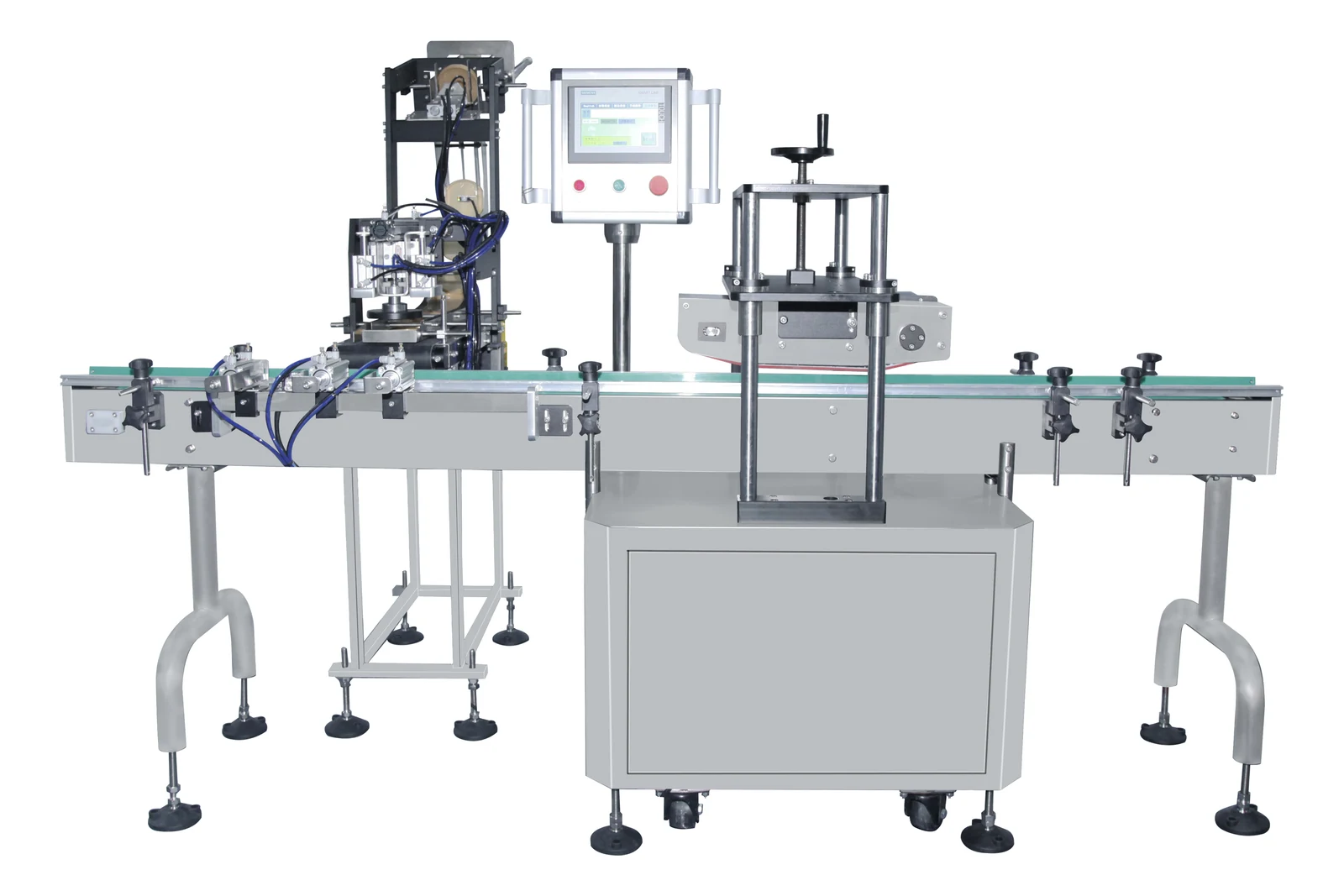
Automatic Chain-Plate Press Capping Machine
Press Capping

Vertical pressing solution for snap-on caps

Press capping machine is used when caps are pressed onto bottles instead of being tightened by threads. It is suitable for press-fit cap products after sample testing.

Press-fit CapsVertical PressingStable SupportCustom Tooling
Press-fit Closure Compatibility

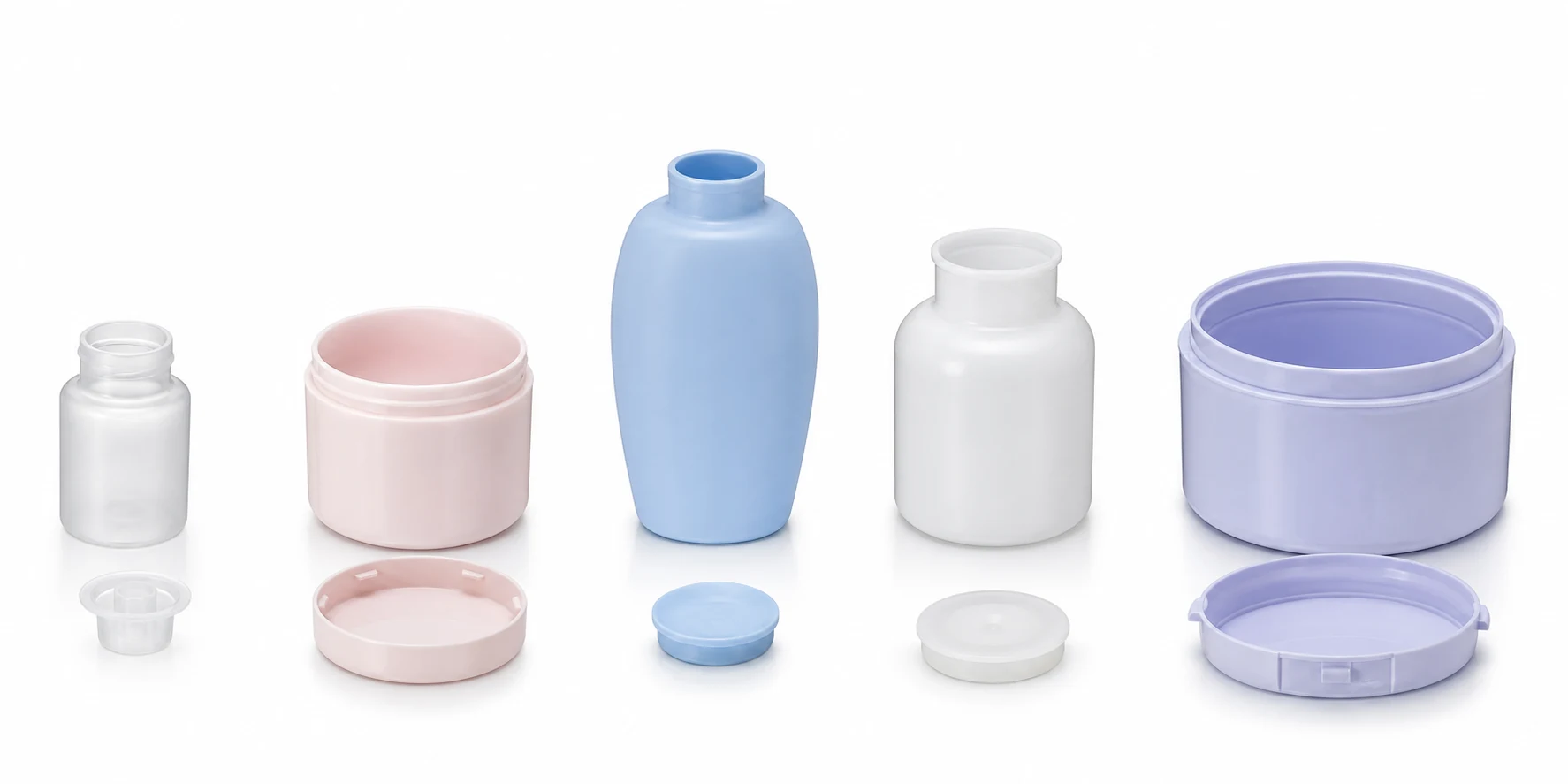
Press-fit Cap, Inner Plug And Container Examples

These examples show non-threaded closures that are seated by controlled vertical pressure rather than screw tightening.

Healthcare bottle, cosmetic jar, personal care bottle, chemical bottle and wide container with separate inner plugs and press-fit lids
Actual retention force, neck geometry and container support determine the chain-plate height, pressure setting and any bottle-specific tooling.
Healthcare BottleInner plug
Cosmetic JarSnap-on lid
Personal Care BottlePress-fit disc cap
Chemical Sample BottlePlastic push-on cap
Wide ContainerTamper-style snap lid
Cap Compatibility

Suitable And Not Recommended Caps

Suitable Caps

  • Press-fit caps
  • Snap-on caps
  • Inner plugs after testing
  • Plastic press caps
  • Special caps requiring vertical pressure

Not Recommended For

  • Threaded screw caps
  • Pump heads requiring torque tightening
  • Trigger sprayers
  • Caps that cannot tolerate vertical pressure
  • Unstable bottles without bottom support
Verified Machine Parameters

Automatic Chain-Plate Press Capping Machine Specifications

Published parameters are based on the supplied engineering record. Bottle and cap samples are reviewed before the final configuration is released.

Automatic Chain-Plate Press Capping Machine

Automatic Chain-Plate Press Capping Machine

Continuous Chain-Plate Pressing
Cap Diameter50-120 mm
Bottle Height100-400 mm
Speed30-60 bottles/min
Air SupplyNot required

Bottle And Cap Range

Bottle Width / Diameter50-120 mm, customizable
Cap TypeFlat press-fit caps
Cap Height10-50 mm, customizable
Press Height Adjustment100-400 mm

Pressing And Conveyor

Capping MethodContinuous chain-plate press capping
Rated Speed30-60 bottles/min
Speed BasisAdjusted to bottle and cap format
Conveyor Height800 mm +/- 25 mm

Utilities

Power SupplyAC 220 V, 50 Hz
Machine PowerApprox. 400 W
Compressed AirNot required

Machine Size

Dimensions1500 x 1100 x 1700 mm
WeightApprox. 150 kg
CustomizationBottle and cap ranges can be customized
Configuration Logic

What Should Be Confirmed Before Selection?

Same Core Structure

  • Vertical pressing action
  • Bottle support structure
  • Pressing head customization
  • PLC control
  • Line integration capability

Need To Confirm

  • Cap pressing force
  • Cap and bottle material
  • Bottle bottom support
  • Cap size and shape
  • Required speed
Bottle And Line Matching

Recommended Bottle Types And Line Connection

Recommended Bottle Types

  • Press cap bottles
  • Snap-on cap containers
  • Cosmetic bottles after testing
  • Pharmaceutical-like bottles after requirement confirmation
  • Plastic containers
  • Stable rigid bottles

Bottle / Cap Matching Notes

Bottle Or Cap TypeRecommended Structure
Round bottlesSide belts and bottle positioning
Flat bottlesBottle holding and anti-rotation guides
Pump headsPump head sorting, feeding and placing; use a separate tightening station when required
Trigger sprayersSprayer orientation and special grippers
Press capsPressing head and bottle support
Working Process

How The Chain-Plate Press Capping Machine Works

Step 01Bottle feeding
Step 02Cap placing
Step 03Bottle positioning
Step 04Press head lowering
Step 05Cap pressing
Step 06Press force control
Step 07Bottle output
Step 08Labeling connection

The capping machine can work as a standalone unit, or connect with filling, labeling and conveyor systems to build an automatic production line.

Capping Method Value

Why Choose Press Capping?

Main Advantages

  • Designed for press-fit caps
  • Stable vertical pressing
  • Custom head by cap sample
  • Good for snap-on cap applications

Production Benefits

  • Reduces manual pressing work
  • Can connect with automatic lines
  • Bottle support can be customized
  • Suitable for special cap structures
Method Comparison

Comparison With Other Capping Methods

Capping MethodBest ForSelection Note
Swing Arm CappingRound screw caps, medium-speed linesFlexible solution for standard caps
Linear CappingContinuous screw cap tighteningGood for stable inline production
Tracking CappingHigher speed linesReduces bottle stop time
Pump Head Feeding & PlacingLotion pump and shampoo pump capsSorts and places pump heads before a separate tightening station
Trigger Sprayer CappingSprayer caps for cleaning bottlesDesigned for long trigger heads
Four-wheel CappingScrew caps and some pump capsStable side tightening and fast changeover
Press CappingPress-fit capsSuitable for pressing instead of thread tightening
After the initial engineering review

What You Receive Before Final Configuration

Start with photos, dimensions, product behavior, filling volume and target output for your Automatic Chain-Plate Press Capping Machine For Press-fit Caps And Snap-on Caps. Physical containers, closures, labels or product are requested later only when tooling or factory testing requires them.

  1. Recommended configurationMachine type, head or station quantity and required options.
  2. Preliminary layoutMachine sequence, interfaces, footprint and utility assumptions.
  3. Written quotationConfirmed scope, available options, exclusions and commercial terms.
  4. Test requirement listWhich physical items must be sent later for tooling and FAT, only when required.
Engineering Definitions

How The Final Press Capping Specification Is Confirmed

The website explains the selection logic without inventing missing values. Final parameters are released only after the cap, bottle, target output and factory conditions are reviewed.

Bottle and cap range

Published dimensions are selection references. Neck finish, cap geometry, bottle support and physical samples control final approval.

Heads or stations

The listed quantity describes the configured capping positions; the cap-feeding method remains part of the system design.

Speed basis

A sustained bottles-per-minute target requires the real cap, bottle, feeder and upstream spacing conditions.

Closure result

Placement, tightening, pressing or torque checks use an agreed method and supplied package samples during FAT.

Final handover package

After configuration confirmation, the handover package supports installation, operation, maintenance and acceptance without publishing unconfirmed project values.

  • Approved general arrangement or layout
  • English operation manual
  • Electrical diagram
  • Pneumatic diagram where applicable
  • PLC program backup
  • Agreed FAT criteria and record
  • Operation training
  • Recommended spare-parts list
1 yearWarranty
Within 2 hoursOnline response
Remote + onsiteCommissioning options
Within 7 daysCommon spares dispatch
FAQ

Common Questions Before Buying

What is press capping used for?

It is used for caps that need to be pressed onto the bottle instead of screwed.

Can it replace screw capping?

No. Screw caps should use linear, tracking, swing arm or four-wheel capping.

Is bottle support important?

Yes. The bottle must be supported during pressing to avoid deformation.

Can the pressing head be customized?

Yes. It should be customized by cap and bottle samples.

Can it connect with a complete line?

Yes. It can connect with filling, labeling and conveyor systems.