
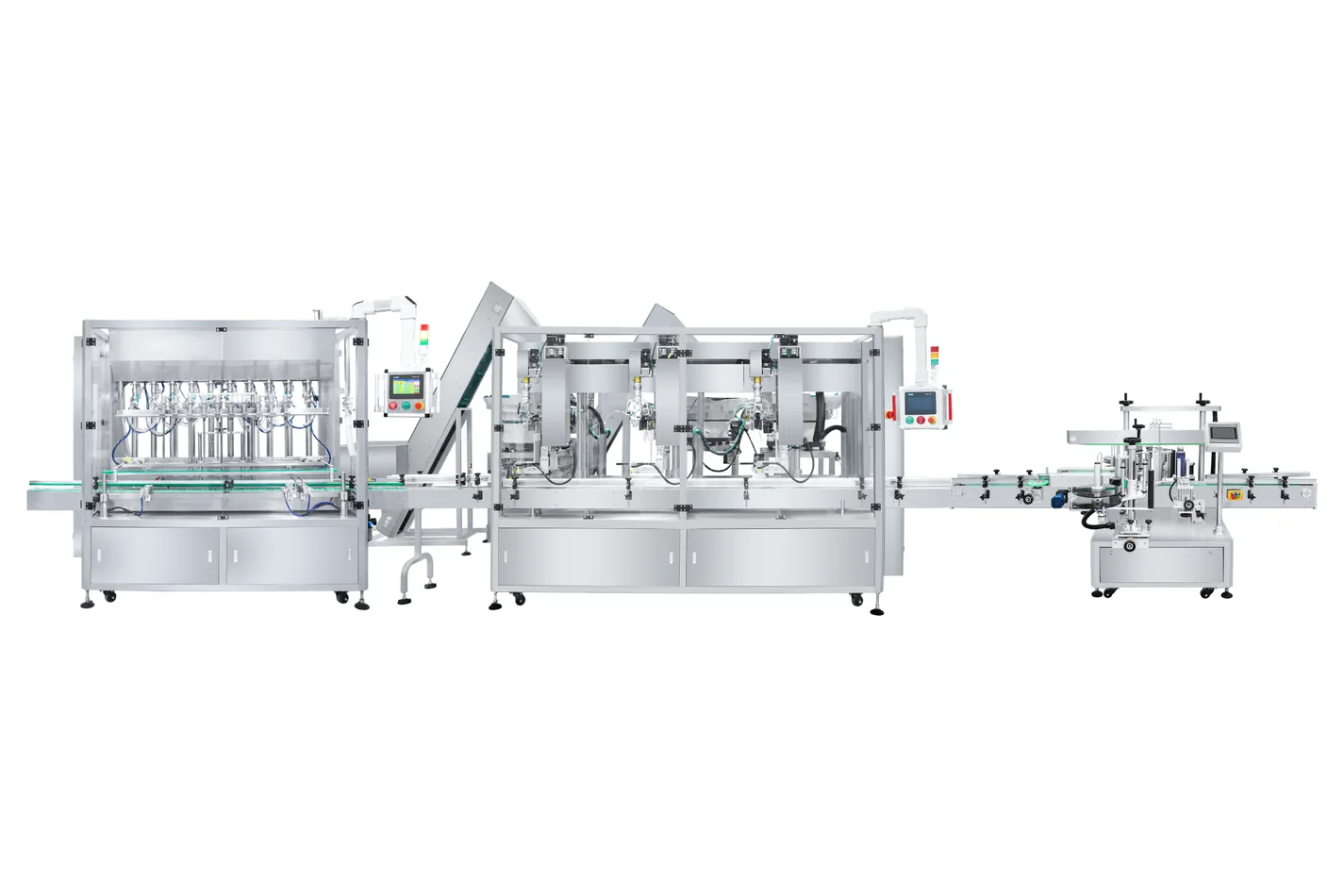
Packaging line installation is not only unloading and connecting power. The buyer and supplier must confirm the site, utilities, product path, containers, caps, labels, safety responsibilities and acceptance evidence before production starts.
Turn This Guide into a Site-Readiness Checklist
Use the editable checklist to assign owners and record layout, electrical supply, compressed air, bottles, caps, labels, training and handover checks. Keep the agreed requirement and the site evidence together.
Free blank template; no email required. Confirm project-specific values with the supplier. This is not an approved installation method or authorization to energize equipment.
Planning a new line? Review complete packaging lines, or confirm the individual filling, capping and labeling stages before fixing the layout.
1. Before Shipment: Complete the Site-Readiness Review
Start from the approved line layout and the actual factory conditions. Confirm access routes, equipment footprint, working clearances and the position of upstream and downstream interfaces. If the site conditions differ from the quotation or factory test, document the difference before the machine ships.
The project should use the same container, closure, label and product definitions used for the factory acceptance test. If samples or specifications changed after FAT, treat the new format as a controlled change rather than assuming the original setup still applies.
2. Arrival Inspection and Mechanical Installation
| Stage | What to check | Evidence to keep |
|---|---|---|
| Receiving | Package condition, machine identity, shipment list, loose parts, tooling and visible damage. | Photos, packing-list check and documented exceptions before unpacking continues. |
| Positioning | Final layout, access clearance, conveyor direction, operator side and interfaces with existing equipment. | Approved layout marked with any site deviation. |
| Level and alignment | Machine support, conveyor height, transfer gaps, rails and stable bottle flow between modules. | Alignment record and controlled manual movement through each handoff. |
| Utilities | Power, grounding, compressed air and other agreed connections against the machine documentation. | Site utility verification completed by authorized personnel. |
| Safety | Guards, doors, interlocks, emergency stops and site-specific access controls. | Functional safety check before automatic movement. |
Do not use machine motion to force a mechanical mismatch. The line-integration guide explains how conveyor interfaces, sensors and speed balancing affect the complete line.
3. Dry Commissioning Before Product Is Introduced
Dry commissioning proves that the installed line can move and communicate safely before product creates a cleaning, waste or contamination problem. Start with controlled manual functions, then low-speed automatic operation.
- Verify machine identity, format parts and approved software or recipe selection.
- Test emergency stops, guards, interlocks, alarms and safe restart behavior.
- Jog motors, conveyors, pumps or actuators in the documented direction.
- Check sensors with representative bottles, caps and labels.
- Run empty or approved test containers through every transfer point.
- Confirm upstream and downstream stop, accumulation and restart logic.
- Record faults, corrective actions and the result of each retest.
A dry run is not final production acceptance. It only creates a stable base for the filled-container and product tests that follow.
4. Product and Packaging-Material Commissioning
Introduce the agreed product and packaging materials in stages. First establish a stable single machine, then prove each handoff and finally test the complete line under the agreed site condition.
| Module | Commissioning focus | Buyer acceptance evidence |
|---|---|---|
| Filling | Product supply, priming, fill range, nozzle position, foam or drip control, container handling and cleaning path. | Recorded fills using the agreed measurement method and representative containers. |
| Capping | Cap feeding, placement, bottle control, tightening or pressing and restart after normal stops. | Approved cap position, seal, torque, retention or leakage check for the real package. |
| Labeling and coding | Label sensor, peel position, container guidance, wrap or wipe action and code location. | Accepted label position, adhesion, wrinkles, readability and code content. |
| Complete line | Transfer timing, accumulation, bottleneck behavior, stops, restarts and downstream collection. | Sustained accepted-bottle output under the agreed test condition. |
Machine nameplate speed or the fastest individual module is not the same as finished-bottle output. Use the method in the bottling line speed guide to define the test duration, accepted bottles, normal stops and reject handling.
5. Site Acceptance Test: Define What Passes
A site acceptance test, or SAT, confirms the installed machine with the buyer's actual utilities, materials and interfaces. It should reuse the agreed project criteria where possible while clearly recording conditions that differ from FAT.
- List the machine, format, product and packaging-material batch used.
- Record site power, air and other relevant operating conditions.
- Define the target finished output and the test duration before starting.
- Define the sample count and measurement method for filling, capping and labeling results.
- Record rejects, stops, alarms, adjustments and restarts instead of hiding them.
- Separate critical acceptance failures from minor punch-list items.
- Assign every deviation an owner, corrective action and retest condition.
- Obtain sign-off only from the agreed buyer and supplier representatives.
A passed FAT does not guarantee site performance if utilities, materials, operators or connecting equipment differ. SAT is the evidence that the installed project works under the documented site condition.
6. Operator Training and Final Handover
Training should cover normal production, controlled stops, safe recovery, changeover, cleaning, basic troubleshooting and escalation. Operators should demonstrate the tasks rather than only watching the supplier perform them.
ZXSMART's published after-sales scope includes remote commissioning, overseas installation availability, English operation documentation, training and service support. The exact travel, installation and handover scope should still be confirmed in the project agreement.
7. What the Buyer Prepares and What the Supplier Confirms
| Buyer prepares | Supplier confirms |
|---|---|
| Approved site, access, utilities and local safety conditions. | Machine layout, connection points and documented utility requirements. |
| Production product, bottles, caps, labels and consumables in the agreed quantity and condition. | Approved format scope, change parts, setup sequence and known limitations. |
| Operators, maintenance and quality representatives with authority to participate. | Training plan, documentation set and responsible commissioning personnel. |
| Acceptance criteria, measurement tools and authorized sign-off. | Test sequence, recorded results, deviation response and retest support. |
Before ordering, send the actual project information described in the bottle, cap, label and product sample guide. Before shipment, agree on the critical and recommended items in the spare-parts guide.
8. Buyer FAQ
What must be ready before a packaging line arrives?
Confirm the layout, access, utilities, product-transfer and cleaning provisions, safety responsibilities, production materials, people and acceptance plan before delivery.
What is the difference between FAT and SAT?
FAT checks the agreed machine scope at the supplier's factory under documented test conditions. SAT checks installation, utilities, interfaces and operation at the buyer's site. A passed FAT does not replace site readiness or SAT.
Should commissioning start with product?
No. Complete mechanical, electrical and safety checks first, then run the line dry. Introduce product only after movements, sensors, interlocks and transfers are stable.
What should be recorded during site acceptance?
Record the machine and format, utilities, materials, target condition, sample method, observed output, rejects, stops, results, deviations, corrective actions and authorized sign-off.
What documents should be handed over?
The agreed package should include operating and maintenance instructions, electrical and pneumatic diagrams, PLC backup when included, approved setup records, spare-parts information, training records, open items and service contacts.
Prepare an Installation and Commissioning Plan
Send your product, bottles, caps, labels, target output, factory layout and available utilities. ZXSMART can review the proposed line interfaces, site-readiness information, test materials and acceptance scope before the project is finalized.
Send Project and Site Details